Can Safety Can Openers Be Used Sitting Down?
For many, the simple act of opening a can is a minor kitchen task. But for seniors, individuals with arthritis, or those managing limited mobility, it can be a source of frustration, pain, or even risk. The familiar struggle with a manual opener—twisting, gripping, and applying pressure—can feel like an insurmountable barrier to independence. This is where the specialized design of a safety can opener changes the equation entirely. These innovative tools are engineered not just for convenience, but for accessibility, empowering users to reclaim their kitchen confidence.
Understanding Safety Can Openers: More Than Just a Tool
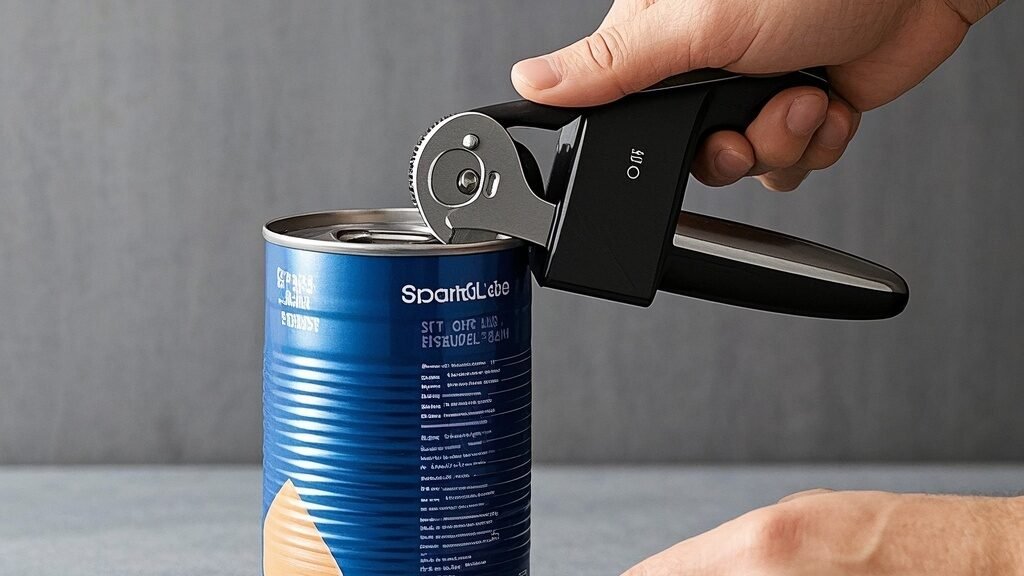
A safety can opener is specifically designed to minimize effort and maximize safety. Unlike traditional openers that leave sharp, jagged edges, most safety models use a mechanism that cuts the lid from the side, leaving a smooth, safe rim. This core feature addresses a major concern for anyone with unsteady hands or diminished sensation. The operation itself is often a simple push-button or lever action, requiring minimal grip strength and no painful twisting of the wrist.
Key Features for Accessibility: When evaluating openers for seniors or those with weak hands, look for these critical elements. A large, ergonomic handle is essential, distributing force and reducing strain on arthritic joints. Lightweight operation, often powered by electricity or a smooth manual gear system, eliminates the need for forceful squeezing. Stability is another key factor; many models have a strong magnetic lid lifter or a non-slip base to hold the can securely, preventing spills and accidents.
Seated Operation: Regaining Independence in the Kitchen
Yes, many safety can openers can absolutely be used while sitting down. This capability is a game-changer for wheelchair users or those who need to conserve energy. The key is in the design and placement. A compact, lightweight electric model with a front-facing operation can easily be used on a tabletop. Similarly, a well-designed manual safety opener with a stabilizing base allows for one-handed or low-force operation from a seated position.
Practical Setup Tips: For comfortable seated use, consider your workspace. Place the opener on a stable, non-slip mat on a table or a lowered counter section. Ensure there’s clear space to maneuver the can into the device. If using an electric model, check that the cord is safely tucked away to avoid entanglement. The goal is to create a dedicated, accessible station that makes the process effortless and secure.
Choosing the Right Opener for Your Needs
With various options available, selecting the best can opener for seniors depends on individual needs and abilities. Electric openers are often the top recommendation for maximum ease. They typically require only the push of a button, with motors doing all the work—ideal for very weak grip or severe arthritis. Look for models with automatic shut-off and easy-to-clean components.
Manual Alternatives: For those who prefer a non-electric option or have limited outlet access, advanced manual safety openers are excellent. Seek out ones with oversized, soft-grip turning knobs and smooth gearing that multiplies force. Some feature a “side-swipe” design that locks onto the can rim, allowing the user to rock a large lever back and forth instead of rotating a knob, which can be easier for certain mobility limitations.
Safety and Independence Go Hand-in-Hand
Beyond the opener itself, a few simple practices can enhance kitchen safety. Always ensure the can and opener are on a flat, stable surface before starting. After opening, use the built-in magnet or a tool to lift the lid away, never your fingers. Regularly clean the cutter wheel to prevent food residue buildup, which can hinder performance. Most importantly, choosing the right tool transforms a risky chore into a simple, empowering task, fostering a sense of independence in kitchen activities.
Who Should Consider a Safety Can Opener? Anyone for whom a standard can opener presents difficulty—whether due to arthritis, hand weakness, Parkinson’s, recovery from surgery, or general limited mobility—will benefit profoundly from a dedicated safety model. It’s an investment in safety, comfort, and the simple joy of preparing a meal without assistance. Find the perfect can opener for your needs below!
Related Guides:
- Best Rated Can Openers 2026 (All Categories)
- Best Can Opener for Seniors with Weak Grip (2026 Top Picks)
- Best Can Opener for Arthritis Patients (2026 Pain-Free Picks)
- Best Can Opener for Stroke Survivors (2026 Easy-Use Picks)
- Best Electric Can Opener (2026 Top-Rated Automatic Models)
- Best Hands-Free Can Opener (2026 No-Grip Effort Models)
- Best Manual Can Opener (2026 Ergonomic Low-Effort Models)
- Best Sharp-Edge-Free Can Opener (2026 Safe No-Cut Models)