Are Smooth-Edge Can Openers Easier to Use?
Opening a can shouldn’t feel like a test of strength or a hazard waiting to happen. For many, especially seniors or those with arthritis, the simple act of using a traditional can opener can be a frustrating, even painful, chore. The jagged metal edge left behind is not just an annoyance; it’s a genuine safety concern. This is where the smooth-edge can opener steps in, promising a different experience. Unlike its traditional counterpart, it doesn’t cut through the metal lid. Instead, it cleanly separates the lid from the can’s rim, leaving a perfectly smooth edge on both the can and the lid. But does this innovative design truly deliver on its promise of effortless, pain-free operation? Let’s explore how this tool is transforming kitchen independence.
Understanding the Smooth-Edge Mechanism: Safety First
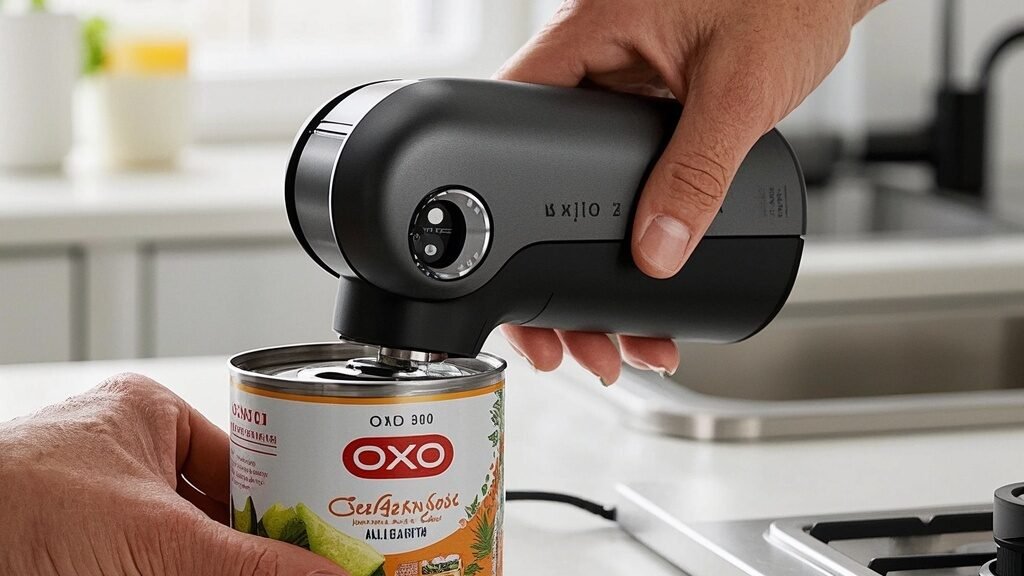
The core innovation of a smooth-edge, or safety, can opener lies in its mechanism. Instead of a sharp cutting wheel that shears through metal, it uses a rolling wheel and a gear system to cleanly separate the lid from the can’s side seam. This process leaves no sharp, serrated edges behind. For users with weak hands or limited mobility, this addresses two major issues. First, it eliminates the risk of nasty cuts when handling the detached lid or reaching into the can. Second, the lid itself is often left sitting perfectly on top of the contents, which can be easily lifted off without touching a sharp rim.
Safety and Cleanliness Benefits
This design is a game-changer for kitchen safety. There are no dangerous metal shavings to worry about, and the smooth rim is safer for everyone in the household. Furthermore, the seal is broken so cleanly that it can help preserve food freshness if you don’t use the entire can, as the lid can often be placed back on securely.
Ease of Use for Seniors and Those with Arthritis
When evaluating ease of use, we must look beyond just the smooth edge. The overall operation is crucial. Many models designed for seniors prioritize ergonomic handles that are large, soft-gripped, and require minimal squeezing force. This is vital for arthritic hands. The turning motion is typically geared for maximum mechanical advantage, meaning less wrist and hand effort is required to rotate the knob.
Pain-Free Operation and Grip Design
Look for openers with wide, contoured handles that distribute pressure across the palm rather than concentrating it on the fingers. Electric smooth-edge openers take this a step further, requiring only the push of a button. This can be the ultimate solution for individuals with significant limited mobility or severe arthritis, restoring a great deal of independence in the kitchen. The key is finding a model where the initial puncture and grip on the can are also easy to manage, as some can be tricky to latch onto the rim.
Key Features to Look for in a Senior-Friendly Can Opener
Not all smooth-edge openers are created equal. When shopping for a can opener suitable for elderly users or those with physical challenges, consider these essential features:
1. Ergonomic Handles: Large, padded, non-slip handles are non-negotiable. They should be easy to grasp without a tight pinch grip.
2. Simple Latching Mechanism: The device should easily and securely attach to the can with minimal alignment fuss. Magnetic lid holders are a fantastic bonus, lifting the lid away automatically.
3. Effortless Turning: Whether manual or electric, the turning action should be smooth and require little torque from the user. Large turning knobs are easier to grip.
4. Stability: The opener should feel stable during use. Some models have extended arms or bases to prevent tipping.
5. Easy Cleaning: Look for designs that are easy to wipe clean or, even better, are dishwasher safe. Removable cutting assemblies help prevent food buildup.
Practical Tips for Easier Can Opening
Even with the best tool, a few techniques can make the process smoother. Always ensure the cutting wheel is properly aligned with the can’s rim before starting. For manual models, use the palm of your hand to turn the knob if finger strength is an issue. Place the can on a non-slip mat to prevent it from spinning. For electric models, simply hold the can steady and let the machine do the work. Remember to regularly clean and, if applicable, sharpen the cutting wheel according to the manufacturer’s instructions to maintain peak performance.
Safety Considerations and Product Recommendations
While smooth-edge openers are inherently safer, always inspect the can for dents or damage before opening. Ensure the opener is fully engaged on the rim to prevent slipping. For seniors living alone, an electric model can significantly reduce the risk of strain or injury.
Product Type Recommendations:
– For Moderate Arthritis/Weak Grip: A manual smooth-edge opener with oversized, soft-grip handles and a large turning knob (e.g., OXO Good Grips Smooth Edge Can Opener).
– For Severe Arthritis/Limited Mobility: An automatic electric smooth-edge can opener. These require only one hand to operate—simply position it and press a button (e.g., Hamilton Beach Smooth Touch Electric Can Opener).
– For Versatility: Some openers combine a smooth-edge function with a traditional cutter, offering flexibility. Ensure the smooth-edge mode is still easy to use.
Who Should Consider a Smooth-Edge Can Opener? Anyone for whom kitchen safety and effortless operation are priorities, especially seniors, individuals with arthritis, hand weakness, or limited mobility. It’s a simple tool that can profoundly impact daily independence and confidence in the kitchen. Find the perfect can opener for your needs below!
Related Guides:
- Best Rated Can Openers 2026 (All Categories)
- Best Can Opener for Seniors with Weak Grip (2026 Top Picks)
- Best Can Opener for Arthritis Patients (2026 Pain-Free Picks)
- Best Can Opener for Stroke Survivors (2026 Easy-Use Picks)
- Best Electric Can Opener (2026 Top-Rated Automatic Models)
- Best Hands-Free Can Opener (2026 No-Grip Effort Models)
- Best Manual Can Opener (2026 Ergonomic Low-Effort Models)
- Best Sharp-Edge-Free Can Opener (2026 Safe No-Cut Models)