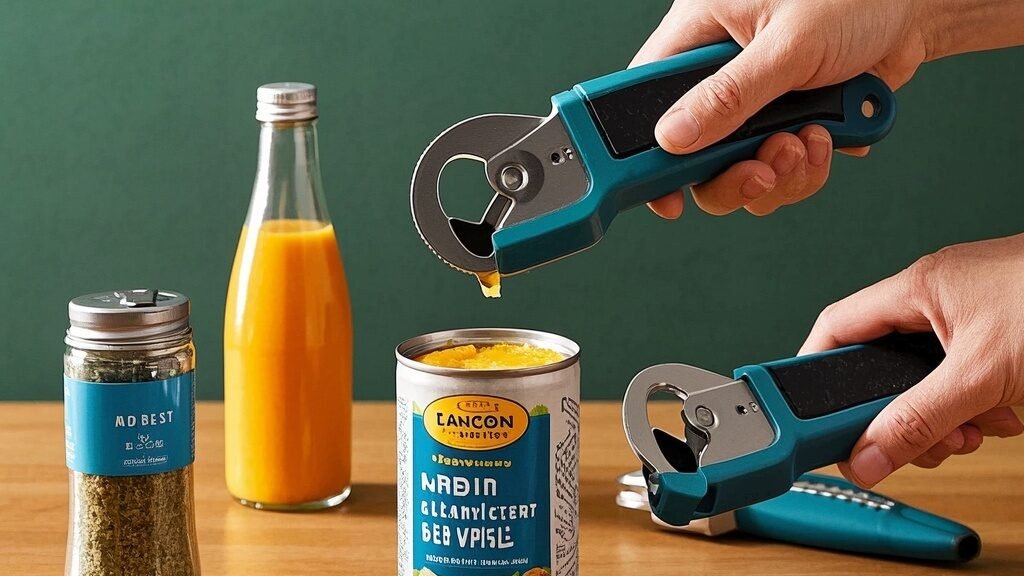
What Are the Pros and Cons of Electric Can Openers?
Picture this: it’s dinner time, your recipe calls for two cans of tomatoes, and your trusty manual opener decides today is the day the gear finally strips. As you wrestle with a stubborn tin, the convenience of modern kitchen gadgets suddenly feels very far away. In moments like these, the humble electric can opener shifts from a luxury to a potential lifesaver. But does this countertop appliance truly earn its spot, or does it just add to the clutter? The debate between convenience and necessity is more nuanced than it seems.
The Undeniable Advantages: Convenience Redefined
Let’s start with the clear wins. The primary pro of an electric can opener is effortless operation. For individuals with arthritis, limited hand strength, or mobility issues, it’s more than a convenience—it’s a tool for independence. A simple press of a button does the work, eliminating the twisting and pressure required by manual models. Most electric openers also feature hands-free functionality; the magnet holds the lid safely away from food, and the machine automatically stops once the cut is complete. This means no sharp edges to handle and less risk of contamination. Furthermore, many modern units are multi-taskers. It’s common to find models that also function as electric knife sharpeners or, in the case of vertical “side-cut” openers, bottle openers. For busy households or those who value accessibility, these benefits are significant and tangible.
Performance and Real-World Use
How do they stack up in daily life? In our testing, a good electric opener provides consistent, clean cuts. The motor cleanly severs the lid along the outer rim, leaving a smooth edge that’s safer than the jagged results a dull manual opener can produce. They excel at handling large volumes—think meal prepping or holiday cooking—where opening multiple cans in succession becomes a chore. The process is swift, uniform, and requires minimal supervision. However, performance isn’t universal. Cheaper models may struggle with unusually thick or thin cans, and the cutting mechanism can become misaligned or clogged with food debris over time. They also require a power source, making them useless during a power outage—a small but notable limitation compared to their purely mechanical counterparts.
The Drawbacks: Space, Maintenance, and Cost
For all their perks, electric can openers come with genuine cons. The most obvious is counter space consumption. In today’s trend toward minimalist kitchens, dedicating prime real estate to a single-function device is a hard sell for many. They also require maintenance; the cutting wheel needs occasional cleaning to prevent gunk buildup, and the mechanism isn’t typically designed for user-friendly disassembly or repair. When it breaks, you often replace the whole unit. Then there’s the cost. A quality electric opener can cost 3 to 5 times more than a premium manual one. You’re paying for the motor and convenience, but the longevity isn’t always proportional. Environmental considerations matter, too. They consume a small amount of electricity and contribute to e-waste, whereas a well-made manual opener can last a lifetime with no energy input.
Who Should Consider an Electric Can Opener?
So, where does this leave us? The electric can opener is a specialist, not a universal champion. Its pros shine brightest for specific users: those with physical limitations that make manual opening difficult or painful; avid home cooks who frequently process multiple cans and value streamlined workflow; or anyone who simply prioritizes utmost convenience and safety in their kitchen routine. For them, the investment and counter space are justified. Conversely, if you open a can only occasionally, have severely limited counter space, prefer low-maintenance tools, or are on a tight budget, a high-quality manual opener is likely the smarter, more durable choice. It boils down to your personal needs and how you use your kitchen.
Find the perfect can opener for your needs below! Whether you opt for electric ease or manual simplicity, the right tool can turn a daily minor task into a seamless part of your cooking ritual.
Related Guides:
- Best Rated Can Openers 2026 (All Categories)
- Best Can Opener for Seniors with Weak Grip (2026 Top Picks)
- Best Can Opener for Arthritis Patients (2026 Pain-Free Picks)
- Best Can Opener for Stroke Survivors (2026 Easy-Use Picks)
- Best Electric Can Opener (2026 Top-Rated Automatic Models)
- Best Hands-Free Can Opener (2026 No-Grip Effort Models)
- Best Manual Can Opener (2026 Ergonomic Low-Effort Models)
- Best Sharp-Edge-Free Can Opener (2026 Safe No-Cut Models)