What Are the Pros and Cons of Safety Can Openers?
Imagine a kitchen drawer containing a relic of frustration: a standard manual can opener, its blade dulled and gears crusted with old tomato sauce, next to a small, smooth-edged lid it violently detached moments ago. That sharp, hazardous disc is a tiny, daily reminder of a risk we’ve accepted for decades. But what if opening a can didn’t end with a sharp metal lid and a struggle to pry it off? Enter the safety can opener, a device designed to rewrite this routine chore. Moving beyond the basic twist-and-pierce mechanism, these openers promise a safer, cleaner, and often easier experience. But like any specialized tool, they come with trade-offs. Understanding the pros and cons of safety can openers is key to deciding if this kitchen innovation is a must-have or an unnecessary complication for your countertop.
The Core Advantage: Redefining “Safe” in the Kitchen
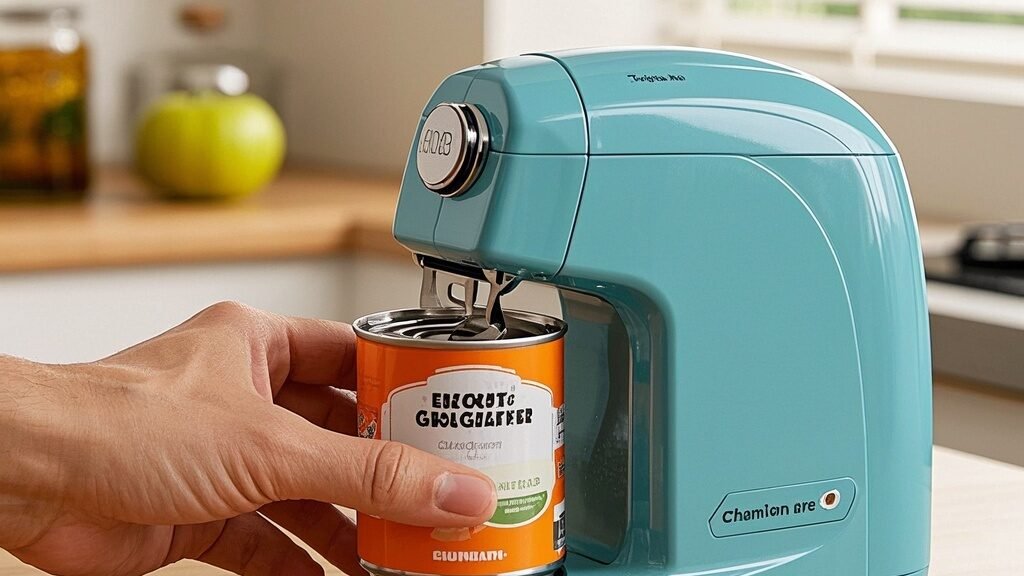
Let’s start with the obvious: the name says it all. The primary pro of a safety can opener is its fundamental redesign to eliminate the number one hazard of traditional opening—the sharp, detached lid. Instead of cutting through the top seam of the can, most safety models use a different mechanism. They typically pierce the side of the lid and roll it open from beneath, leaving the lid firmly attached, smooth-edged, and sitting neatly on top of the can. This means no more searching for sharp edges to avoid cuts, and it’s a game-changer for households with children, individuals with dexterity challenges like arthritis, or anyone prone to kitchen mishaps. Furthermore, because the cutting happens under the lid, the opener’s mechanism and the food itself stay cleaner, avoiding contamination from the can’s exterior or the top seam. It’s a thoughtful solution that addresses both physical safety and food hygiene in one stroke.
Performance and Real-World Use
Beyond safety, these openers boast several practical benefits. The smooth-edge lid is not only safe to touch but also perfect for re-sealing. If you only use part of a can, you can simply press the lid back down and store the can in the refrigerator—no plastic wrap needed. Many users also report that the action of a good safety can opener requires significantly less hand strength and effort than wrestling with a stubborn manual opener, as the gear design often provides superior leverage. The process is generally cleaner; since the lid isn’t freely spinning in food residue, there’s less splatter. For frequent can users, from home cooks to caregivers preparing meals, these daily efficiencies add up, making the task noticeably less tedious and messy.
The Flip Side: Limitations and Considerations
However, the cons of safety can opener designs are important to weigh. The most significant drawback is compatibility. Not all safety openers work perfectly on all cans. Odd sizes, unusually thick rims (common in some pet food or specialty cans), or cans with prominent side seams can sometimes cause the opener to slip or struggle. You might need a backup traditional opener for these exceptions. Additionally, the mechanism is often more complex than a simple manual opener. This can mean more parts to clean, as food particles can get lodged in the gear that holds the can. Some models also have a learning curve; positioning the cutter correctly on the can’s side is crucial for a smooth operation. Finally, while prices vary, high-quality safety can openers often come at a premium compared to basic manual models, representing a larger upfront investment.
Mechanism and Maintenance Choices
Diving deeper, not all safety can opener are created equal, and the mechanism influences the pros and cons. The most common type is the side-cutting or under-the-rim opener discussed above. Another popular variant is the magnetic or lift-off safety opener, which still cuts the lid off completely but uses a strong magnet to capture and lift it away, so your fingers never touch it. This type solves the sharp-lid problem but not the re-sealing benefit. Maintenance is another factor. Electric safety can openers automate the process entirely but require counter space, electricity, and can be difficult to clean. Manual safety models are more portable and affordable but rely on your arm strength. Your choice depends on whether you prioritize ultimate convenience, portability, or the specific re-sealing feature.
In the end, the debate isn’t about good versus bad, but about matching a tool to your specific kitchen habits and needs. The evolution from a simple cutting tool to a safety can opener reflects a desire for a more thoughtful, less risky daily life. For many, the enhanced safety, cleaner process, and re-sealing capability far outweigh the occasional compatibility hiccup or the need for a slight adjustment in technique.
Who Should Consider a Safety Can Opener?
If you have young children in the home, value kitchen safety above all, frequently store partial cans of food, or struggle with the grip strength required for traditional openers, a safety can opener is likely an excellent and worthwhile upgrade. It transforms a mundane task into a genuinely safer and more convenient experience. However, if you rarely use canned goods, prefer the absolute simplest tool with no learning curve, or primarily open cans with non-standard rims, a classic manual opener might still serve you best. Assess your own routine, and choose the tool that makes your kitchen time safer and smoother.
Find the perfect can opener for your needs below
Related Guides:
- Best Rated Can Openers 2026 (All Categories)
- Best Can Opener for Seniors with Weak Grip (2026 Top Picks)
- Best Can Opener for Arthritis Patients (2026 Pain-Free Picks)
- Best Can Opener for Stroke Survivors (2026 Easy-Use Picks)
- Best Electric Can Opener (2026 Top-Rated Automatic Models)
- Best Hands-Free Can Opener (2026 No-Grip Effort Models)
- Best Manual Can Opener (2026 Ergonomic Low-Effort Models)
- Best Sharp-Edge-Free Can Opener (2026 Safe No-Cut Models)