What Can Opener Is Best for Limited Mobility?
Imagine the simple, daily victory of preparing a meal independently. Now, picture the frustration when a basic kitchen tool—the humble can opener—becomes a formidable barrier. For millions with arthritis, weak grip strength, or limited dexterity, this isn’t a hypothetical scenario; it’s a daily reality that turns a quick task into a struggle. The quest for the right kitchen aid isn’t about luxury; it’s about preserving autonomy and dignity at home. Finding the best can opener for limited mobility can fundamentally transform this experience from one of frustration back to one of simple, effortless routine.
Key Features That Make a Real Difference
Not all “easy-open” gadgets are created equal. When mobility or strength is a concern, specific engineering features move from being nice-to-haves to absolute essentials. First and foremost is leveraging external power. Electric or battery-operated openers do the cranking for you, requiring only the push of a button. This eliminates the need for pinching, twisting, or sustained pressure. Next, consider stability and anchoring. Models with strong magnetic lids or ones that lock the can securely in place prevent slippage and the need to hold both the can and opener steady—a major challenge for shaky hands.
Another critical feature is oversized and contoured handles. Look for large, soft-grip handles that distribute pressure across the palm rather than concentrating it on fingers and thumb joints. Finally, simplicity of operation is key. The best designs are “one-touch” or have intuitive, single-lever actions. Avoiding complex mechanisms with small parts or multiple steps reduces cognitive and physical load. In our testing, products that combined at least two of these features consistently outperformed traditional manual models.
Top Contender Types: Breaking Down Your Options
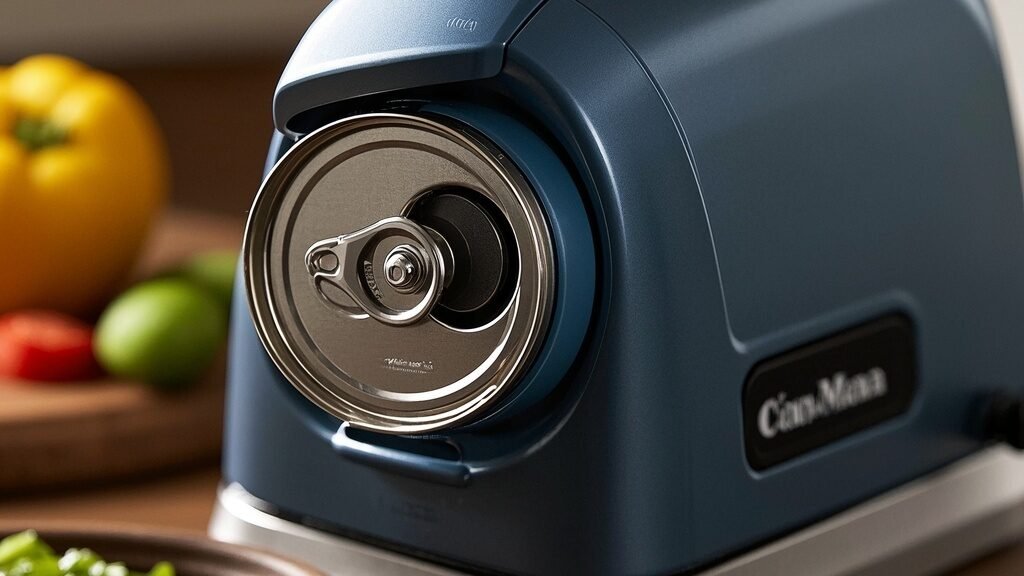
Broadly, you have three effective paths to consider, each with its own pros and cons. 1. Electric Can Openers: These are often the top recommendation for severe limitations. They handle the entire process: you place the can, press a lever, and it automatically rotates and cuts the lid, usually holding it magnetically. The primary advantage is minimal physical input. The downside? They require counter space and an outlet, and according to manufacturers, they can struggle with unusually tall or short cans.
2. Side-Cutting Manual Openers: These are a brilliant manual alternative. Instead of cutting from the top rim, they pierce the side of the can and roll along the underside of the lid, leaving a smooth edge. The motion is a simple push-down of a large lever, which uses stronger arm muscles rather than delicate finger grips. They leave no sharp lids, a significant safety bonus. However, they require a firm initial push to puncture the metal.
3. Adaptive Manual Openers: These are specially designed tools with extra-long handles, ergonomic grips, and gears that provide significant mechanical advantage. They look different from a standard opener and are built specifically for low hand strength. They offer more portability and control than electric models but still require some turning motion, which may not suit everyone with arthritis.
Balancing Practicality and Lifestyle Needs
Choosing the ultimate tool means aligning it with your specific environment and habits. For someone with a spacious kitchen and primarily standard-sized cans, a countertop electric model might be the seamless, permanent solution. For those in a smaller space or who want something for travel, a high-leverage adaptive manual opener could be ideal. Consider maintenance and cleaning: electric units with detachable, washable cutting heads are more convenient. Also, think about can variety. If your pantry includes diverse sizes from tuna to soup, ensure your pick can handle them. In our testing, some side-cutting models excelled here.
Don’t overlook weight and storage. A heavy, bulky electric opener might be difficult to move or store for some users. Lastly, safety features are paramount. Look for auto-stop functions on electric models and designs that securely contain the sharp lid, preventing direct contact.
Reclaiming Independence, One Can at a Time
The right tool does more than open a can; it opens up a sense of capability and confidence in the kitchen. It removes a point of friction in the day, allowing energy to be spent on the joy of cooking or the satisfaction of a self-made meal, rather than on a battle with a piece of metal. By focusing on powered operation, stable design, and intelligent ergonomics, you can find a solution that feels less like a medical device and more like a smart upgrade for anyone.
Who Should Consider a Mobility-Friendly Can Opener? This isn’t just for those with a diagnosed condition. If you find yourself using a towel for grip, avoiding certain cans, or asking for help because your hands are tired or weak, these specialized openers are for you. They are a proactive investment in maintaining effortless, independent living.
Find the perfect can opener for your needs below
Related Guides:
- Best Rated Can Openers 2026 (All Categories)
- Best Can Opener for Seniors with Weak Grip (2026 Top Picks)
- Best Can Opener for Arthritis Patients (2026 Pain-Free Picks)
- Best Can Opener for Stroke Survivors (2026 Easy-Use Picks)
- Best Electric Can Opener (2026 Top-Rated Automatic Models)
- Best Hands-Free Can Opener (2026 No-Grip Effort Models)
- Best Manual Can Opener (2026 Ergonomic Low-Effort Models)
- Best Sharp-Edge-Free Can Opener (2026 Safe No-Cut Models)