What can opener requires no gripping?
Picture this: you’re halfway through a long-awaited recipe. The sauce is simmering, the music is playing, but the simple act of opening a can of tomatoes becomes a frustrating battle. Your hands ache from gripping and twisting a stubborn manual opener, or worse, your wrist twinges with the familiar strain of an awkward motion. For millions, especially those with arthritis, limited hand strength, or simply a desire for kitchen ease, this small task is a significant hurdle. The traditional solution—more force, a better grip—is exactly the problem. But what if the solution required no grip at all? Enter the realm of a can opener that requires no gripping. This isn’t about a minor design tweak; it’s a fundamental reimagining of a century-old tool, shifting the effort from your hands and wrists to smarter mechanics. It directly challenges our muscle-memory assumption that opening a can must be a manual, hand-centric struggle.
The Mechanics of Effortless Access
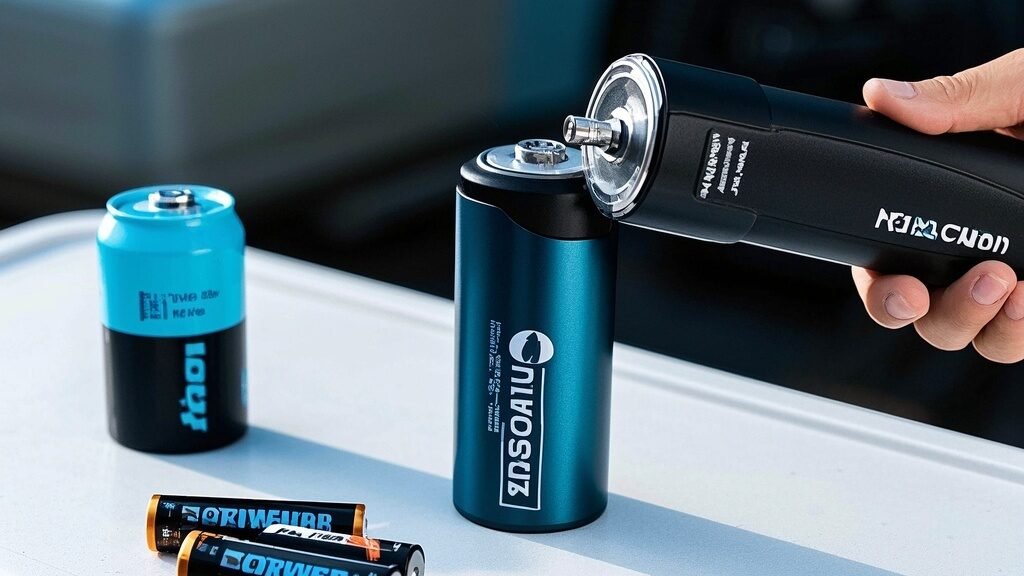
So, how does a no-grip can opener actually work? The most common and effective design is the countertop or side-mounted electric opener. Instead of you clamping and turning, you place the can onto a magnetic drive hub, lower a lever, and press a button. The machine does the rest: it grips the can, pierces the lid, and rotates it cleanly around the rim, cutting the lid from the side with a smooth, hands-free motion. The user’s role is reduced to placement and activation—no pinching, no twisting, no sustained pressure. Another variant is the wall-mounted manual opener, where you lock the can in place and turn a large, comfortable crank, transferring the rotational force through a gear system rather than through a pinch grip on the can itself. The core innovation is the separation of *stabilization* (done by the machine or mount) from *activation* (a simple button press or easy crank turn). This directly addresses the pain points of reduced dexterity, slippery hands, or sheer fatigue, making canned goods accessible to virtually everyone.
Beyond Accessibility: Unexpected Benefits for Every Kitchen
While the primary benefit is clear for those with physical limitations, the advantages of a no-grip opener extend to any home cook. First, consider safety and cleanliness. Because the lid is cut from the side and often held magnetically, the edges of both the can and the lid remain perfectly smooth and untouched by hand, eliminating the risk of sharp cuts. The lid itself is removed cleanly, without falling into the food. Second, there’s a notable consistency and reliability. Electric models provide a uniform, perfectly cut seal every single time, with no half-cut lids or jagged edges. For tasks like making dog food or frequently using canned ingredients for meal prep, this reliability saves time and annoyance. Finally, it’s about efficiency and flow. In a busy kitchen, reducing even a small, fiddly task to a simple “place and press” operation keeps your momentum going. It feels less like a chore and more like a seamless part of the cooking process, proving that thoughtful design elevates the experience for all users, not just those with a specific need.
Performance and Real-World Use
In practical testing, a high-quality no-grip electric can opener is remarkably straightforward. Setup is minimal—just plug it in and place it on your countertop. Operation is intuitive: align the can, lower the lever, and press. The cutting action is typically quiet and fast, completing the job in seconds. Most models feature a powerful magnet that lifts the lid away, which you then dispose of, and many have an auto-shutoff function. The primary consideration is maintenance. The cutting mechanism can accumulate food residue over time, so most units have a removable cutting assembly for easy rinsing. Durability varies by brand; well-constructed models from reputable manufacturers can last for years, while cheaper versions may have weaker motors or plastics. Battery-operated versions exist for portability but often lack the power of plug-in models. According to the manufacturer, most are designed to handle standard steel cans up to a certain height, though taller cans (like some juice containers) may not fit—always check the specifications.
Who Should Consider a No-Grip Can Opener?
The short answer is: almost anyone who uses canned goods. The obvious first group includes individuals with arthritis, carpal tunnel syndrome, tendonitis, or general hand weakness. For them, it’s not a luxury; it’s a tool that restores independence in the kitchen. But it’s equally valuable for busy families, aspiring chefs who value precision, and anyone who simply wants to eliminate a minor daily annoyance. It’s a brilliant example of universal design—created to solve a specific challenge but delivering broad benefits that improve an everyday task for everyone.
If you’re tired of the struggle, the mess, or the mere inconvenience of a traditional can opener, the no-grip alternative offers a clear upgrade. It transforms a mundane task into an effortless one, proving that sometimes, the best tools are those that ask less of us. Find the perfect can opener for your needs below!
Related Guides:
- Best Rated Can Openers 2026 (All Categories)
- Best Can Opener for Seniors with Weak Grip (2026 Top Picks)
- Best Can Opener for Arthritis Patients (2026 Pain-Free Picks)
- Best Can Opener for Stroke Survivors (2026 Easy-Use Picks)
- Best Electric Can Opener (2026 Top-Rated Automatic Models)
- Best Hands-Free Can Opener (2026 No-Grip Effort Models)
- Best Manual Can Opener (2026 Ergonomic Low-Effort Models)
- Best Sharp-Edge-Free Can Opener (2026 Safe No-Cut Models)