What Is the Best Can Opener for Chronic Hand Pain?
Imagine standing in your kitchen, staring at a simple can of soup. It’s a mundane object, yet it feels like an insurmountable barrier. Your hands, stiff and aching from arthritis, tendonitis, or another chronic condition, protest at the mere thought of gripping and twisting a traditional opener. That quick task becomes a painful ordeal, a small but daily reminder of limitation. For millions, this isn’t a rare scenario; it’s a routine challenge. The quest for independence in everyday tasks often starts with finding the right tools, and few are as symbolically and practically important as a reliable can opener. Identifying the best can opener for chronic hand pain isn’t about luxury; it’s about reclaiming ease, safety, and dignity in a fundamental kitchen ritual.
Key Features That Make a Difference
Not all openers are created equal, especially when hand strength and comfort are priorities. The ideal tool addresses pain points—literally—through intelligent design. First and foremost is leverage and mechanical advantage. Openers that use a side-cutting or pendulum mechanism often require significantly less force than traditional knob-twirling models. They transfer the effort from your fingers and wrists to a longer lever arm, allowing a smooth, downward press to do the work. Next is ergonomic grip. Look for handles coated in soft, non-slip rubber that are large enough to distribute pressure across your palm, not just your fingers. This reduces strain points and prevents slipping. Finally, consider stability and automation. Electric openers eliminate manual force almost entirely, while sturdy, wall-mounted or hands-free manual models secure the can so you don’t have to hold it steady. Features like large, easy-to-turn knobs or auto-stop functions that disengage the magnet once cutting is complete are small details that make a big difference in daily use.
Top Contender Styles: A Balanced Breakdown
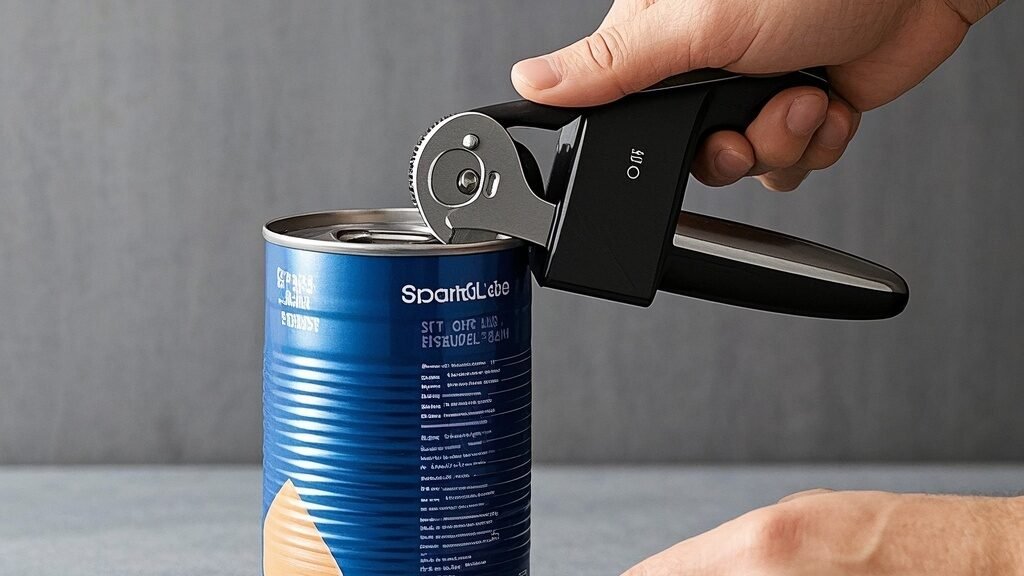
Broadly, top performers fall into three categories, each with pros and cons. Premium Manual Lever Models (like the brand often cited in adaptive tool reviews) are frequently hailed as champions. They mount onto the can’s rim; a long lever is pushed down, driving a rotating cutter around the lid with minimal effort. The lid is removed smoothly, leaving no sharp edges. They are durable, require no batteries or outlet, and are typically easy to clean. However, they can be bulkier to store. Smooth-Operation Electric Openers are the ultimate in reduced effort. You simply place the can, press a button, and the machine does the rest. This is often the best can opener for chronic hand pain when severe weakness or conditions like severe rheumatoid arthritis are present. The trade-offs are dependence on power, occasional struggles with oddly sized cans, and the need for counter space. A third, excellent option is the Ergonomic Side-Swing Manual Opener. These use a large, soft-turn knob or a pull-handle that offers better leverage than a classic opener. They are a fantastic mid-point, offering more mechanical help than a standard opener but with a smaller footprint than a lever model.
Beyond the Opener: Practical Tips for Pain-Free Use
Finding the right tool is half the battle; using it effectively completes the solution. Even with an ergonomic opener, technique matters. Position the opener securely on a stable, non-slip surface. Use your body weight to assist with lever models—a gentle lean can replace arm force. If using an electric model, let it complete the full cycle; don’t try to rush or pull the can away. Maintenance is also crucial. A clean, sharp cutting wheel requires far less force. Regularly wash and dry your opener (checking if it’s dishwasher safe) and ensure no food debris is gumming up the gears. For manual models, a tiny drop of food-safe oil on the moving parts once a year can keep the action silky. Remember, the goal is to transform a taxing chore into a seamless, one-motion task. Pairing a thoughtfully designed opener with mindful habits maximizes independence and minimizes discomfort.
The impact of a well-chosen kitchen tool extends far beyond its primary function. It reduces frustration, prevents the strain that can exacerbate pain, and helps maintain the joy of preparing your own meals. Whether you opt for the effortless automation of an electric model, the reliable mechanics of a lever system, or the improved grip of an ergonomic manual design, the right choice is deeply personal. It depends on the specific nature of your hand pain, your kitchen setup, and which action feels most natural to you.
Who Should Consider a Specialized Can Opener?
Anyone for whom a standard opener causes discomfort, strain, or anxiety should make the switch. This includes individuals with arthritis, carpal tunnel syndrome, hand weakness from aging, neuropathy, or recovering from injury. It’s a small investment that pays dividends in daily comfort and self-reliance. Don’t accept pain as a necessary part of a simple task. Find the perfect can opener for your needs below, and turn a daily hurdle back into a simple step.
Related Guides:
- Best Rated Can Openers 2026 (All Categories)
- Best Can Opener for Seniors with Weak Grip (2026 Top Picks)
- Best Can Opener for Arthritis Patients (2026 Pain-Free Picks)
- Best Can Opener for Stroke Survivors (2026 Easy-Use Picks)
- Best Electric Can Opener (2026 Top-Rated Automatic Models)
- Best Hands-Free Can Opener (2026 No-Grip Effort Models)
- Best Manual Can Opener (2026 Ergonomic Low-Effort Models)
- Best Sharp-Edge-Free Can Opener (2026 Safe No-Cut Models)