What Is the Best Can Opener for Seniors Living Alone?
Imagine standing in your kitchen, a simple can of soup in hand, ready for a warm lunch. But the familiar can opener—the one you’ve used for years—feels suddenly stubborn. Your grip isn’t as strong as it used to be, your wrists ache with twisting, and the thought of struggling with a slippery lid or, worse, a sharp edge, turns a simple task into a source of frustration and anxiety. This everyday challenge is a quiet reality for many older adults who value their independence. The solution isn’t just about opening a can; it’s about preserving ease, safety, and confidence in one’s own home. That’s why finding the best can opener for seniors living alone becomes a meaningful quest, blending practical tool design with profound respect for autonomous living.
Key Features That Make a Senior-Friendly Can Opener
Not all can openers are created equal, especially when considering the unique needs of seniors. The ideal model prioritizes three things: effortless operation, absolute safety, and physical accessibility. First, look for easy-grip, oversized handles. Arthritis or reduced hand strength makes small, thin handles difficult. Large, softly contoured, often non-slip handles distribute pressure and require minimal pinching force. Second, automatic or one-touch operation is a game-changer. Electric openers or smooth manual lever models remove the need for repetitive wrist-twisting motions entirely. They do the work at the press of a button or pull of a lever. Third, safety is paramount. Designs that leave smooth, blunt edges on both the can and the lid eliminate the risk of cuts. A strong magnetic lid lifter is also crucial—it safely removes the lid without forcing fingers near the sharp rim. Finally, stability matters. A model with a powerful suction base or secure clamp won’t slide around during use, preventing spills and accidents.
Top Contender Styles: Weighing the Pros and Cons
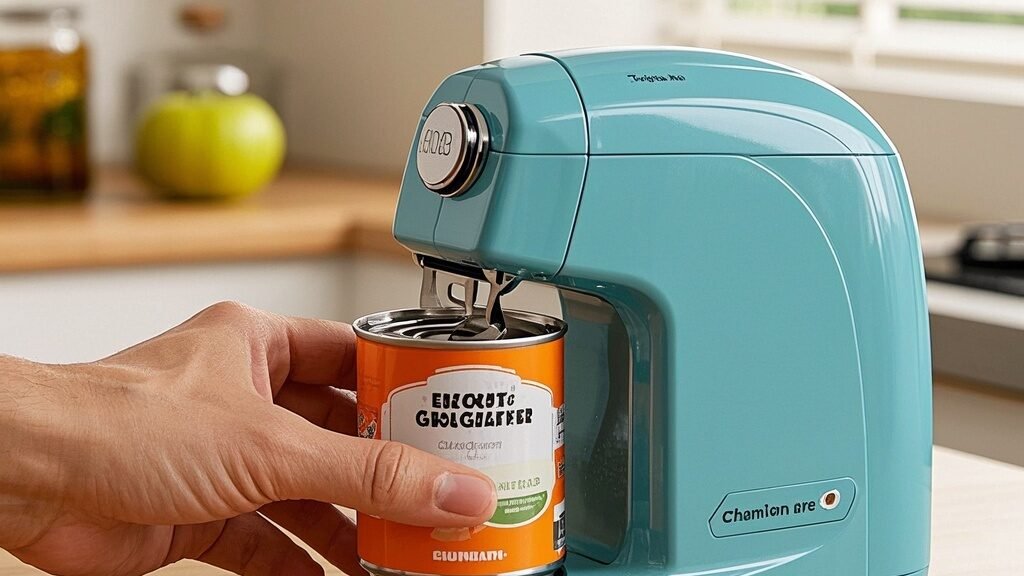
Broadly, can openers fall into three categories, each with merits for senior users. Electric Can Openers are often the top recommendation. They are supremely easy: you place the can, align the cutter, and press a button. According to the manufacturer, most feature hands-free operation and automatic shut-off. The primary advantage is the complete elimination of manual effort. The downside? They require counter space, an outlet, and may have more parts that need occasional cleaning or could malfunction. Side-Cutting Manual Openers (often with large turning knobs) are a reliable, non-electric choice. They cut along the side of the can’s rim, leaving a perfectly smooth edge on both the lid and the can—a major safety benefit. They typically operate with a simple turning motion, which can be easier than squeezing handles. However, they still require some manual dexterity to turn the knob. Lastly, Lever-Style or “Smooth Edge” Openers use a punching mechanism and a long lever. One firm pull around the can’s rim does the job, requiring grip strength primarily for the initial placement and the lever pull, but no continuous turning.
Beyond the Basics: Additional Considerations for Solo Living
For someone living alone, durability and ease of maintenance are just as important as the initial ease of use. A can opener that jams, is difficult to clean, or breaks quickly adds more hassle than it solves. Look for models with simple, accessible designs for cleaning; food particles trapped in gears are a hygiene issue and can cause malfunction. Materials matter—stainless steel cutting mechanisms tend to last longer than cheaper alloys. Also, consider weight and storage. A heavy, bulky electric opener might be perfect for a dedicated counter spot but impractical for someone with limited storage or who needs to move it frequently. For those with very limited hand strength or conditions like Parkinson’s, the certainty of an electric opener’s operation often outweighs the storage consideration. Testing online reviews for mentions of long-term reliability from other senior users can provide invaluable real-world insight.
Choosing the right tool is a small decision with a big impact on daily life. It’s about removing a point of friction, literally and figuratively, and empowering independence in the kitchen. The best can opener seamlessly integrates into a routine, becoming a reliable helper that ensures safety, conserves energy, and supports the simple joy of preparing a meal without struggle. It’s not merely a kitchen gadget; it’s a key component in crafting a home that adapts to you.
Who Should Consider a Senior-Friendly Can Opener?
This isn’t just a purchase for those experiencing significant mobility challenges. Anyone who finds standard can openers uncomfortable, tiring, or slightly precarious will benefit. It’s a smart, proactive choice for aging in place comfortably, a thoughtful gift from family members wanting to support a loved one’s independence, or simply an upgrade for anyone who values utmost convenience and safety in their kitchen tools. Find the perfect can opener for your needs below
Related Guides:
- Best Rated Can Openers 2026 (All Categories)
- Best Can Opener for Seniors with Weak Grip (2026 Top Picks)
- Best Can Opener for Arthritis Patients (2026 Pain-Free Picks)
- Best Can Opener for Stroke Survivors (2026 Easy-Use Picks)
- Best Electric Can Opener (2026 Top-Rated Automatic Models)
- Best Hands-Free Can Opener (2026 No-Grip Effort Models)
- Best Manual Can Opener (2026 Ergonomic Low-Effort Models)
- Best Sharp-Edge-Free Can Opener (2026 Safe No-Cut Models)