What Is the Best Can Opener for Weak Hands?
Imagine a simple kitchen task turning into a daily frustration. Your hands, perhaps stiff from arthritis, weakened by injury, or simply not as strong as they used to be, struggle to grip and turn a traditional can opener. The effort required makes a quick meal prep feel like a chore, stealing the joy from cooking. For millions, this isn’t just an occasional inconvenience; it’s a persistent barrier to independence in the kitchen. The quest for the best can opener for weak hands isn’t about luxury—it’s about reclaiming ease, safety, and dignity in everyday life. It hinges on finding tools that replace brute force with intelligent design, turning a moment of struggle into one of effortless function.
Ergonomics and Ease of Use: The Foundation of Design
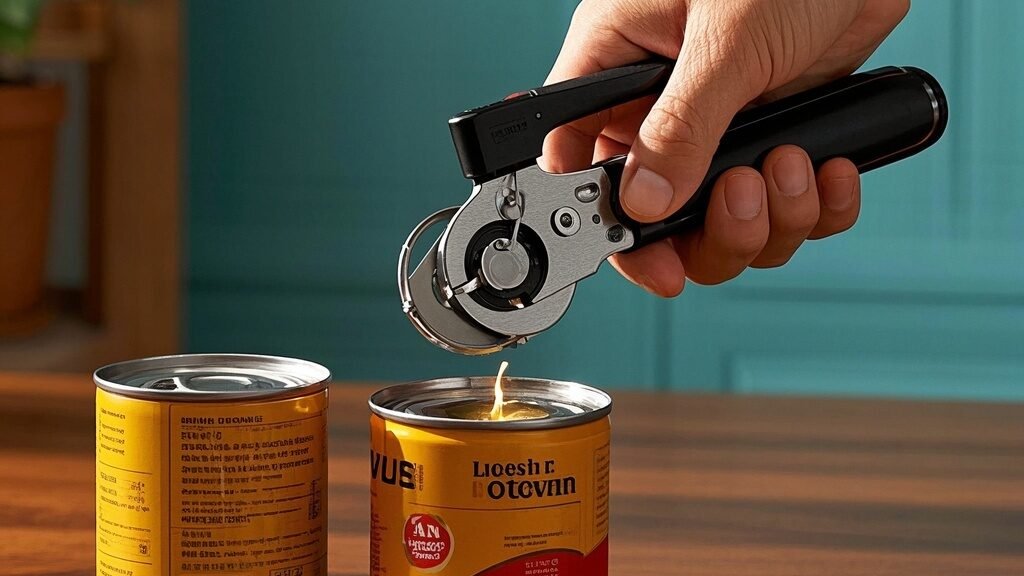
When searching for the right tool, ergonomics is paramount. This goes beyond just having “comfortable handles.” The best models are engineered to minimize grip strength and wrist rotation. Look for openers with large, soft-grip handles that contour to your palm, distributing pressure evenly. Lever-style or “side-swing” openers are often top contenders because they utilize a longer handle to create a mechanical advantage—think of it like using a crowbar versus your bare hands. You press down a lever, which does the hard work of driving the cutting wheel and turning the can. This motion requires significantly less hand strength and dexterity than the traditional twin-knob, twist-and-turn model. Another key feature is stability; many ergonomic openers lock onto the can’s rim automatically. This “hands-free” operation means you don’t have to hold the opener steady while also applying pressure, a major win for those with tremors or limited coordination.
Power Options: Letting Technology Do the Work
For those seeking the ultimate in low-effort operation, electric can openers are a game-changer. With the simple press of a button, a motor does all the work, cleanly cutting the lid without any manual turning or squeezing. This is often the single best solution for severely limited hand strength or conditions like severe arthritis. Modern electric openers are designed with user-friendliness in mind: they feature large, easy-press buttons, automatic magnet lid removal (so you never touch a sharp edge), and easy-to-clean designs. The primary trade-offs are counter space and the need for an outlet or batteries. For ultimate portability and no cords, battery-operated openers offer a middle ground. They provide motorized assistance in a more compact form, though their power and durability can vary. According to manufacturer testing and user reviews, a reliable electric opener effectively eliminates the physical demands of the task entirely.
Safety and Accessibility Features You Shouldn’t Overlook
A tool designed for weak hands must also be inherently safer. Sharp edges—both on the can and the tool itself—pose a real risk. The best openers address this head-on. Look for designs that create a smooth, blunt edge on the can itself, leaving no dangerous metal ridges. Many electric and high-end manual models also feature automatic lid containment, where the lid is lifted away and held magnetically, so your fingers never go near it. Ease of cleaning is another accessibility factor. Complex gears or crevices that trap food are difficult to scrub. Simplified, dishwasher-safe designs or openers with minimal parts make maintenance effortless. Finally, consider the learning curve. The ideal opener should be intuitive to use without complicated steps or a firm, precise grip to operate locking mechanisms. A great tool feels intuitive on the first try.
Making the Right Choice for Your Needs
So, how do you decide? It comes down to balancing your specific physical needs with your kitchen habits. A high-quality ergonomic manual opener is perfect if you prefer a simple, space-saving tool and have moderate grip challenges. It requires some motion but minimizes the force needed. If your priority is zero force and maximum convenience, an electric opener is worth the investment and counter space. For occasional use or travel, a compact, lightweight battery-powered or a particularly smooth manual model might be ideal.
Who Should Consider the Best Can Opener for Weak Hands?
Anyone for whom a standard opener causes pain, frustration, or difficulty should make this switch. This includes seniors aiming to maintain kitchen independence, individuals with arthritis, carpal tunnel, tendonitis, or reduced grip strength from injury or conditions like Parkinson’s, and even those who simply want a safer, easier experience. It’s a small investment that makes a profound difference in daily life.
Ultimately, the best can opener for weak hands is the one that removes the obstacle between you and a simple task. It’s a tool that adapts to you, not the other way around. By prioritizing ergonomic design, powered assistance, and thoughtful safety features, you can transform a dreaded chore into a quick, seamless step in your cooking routine.
Find the perfect can opener for your needs below!
Related Guides:
- Best Rated Can Openers 2026 (All Categories)
- Best Can Opener for Seniors with Weak Grip (2026 Top Picks)
- Best Can Opener for Arthritis Patients (2026 Pain-Free Picks)
- Best Can Opener for Stroke Survivors (2026 Easy-Use Picks)
- Best Electric Can Opener (2026 Top-Rated Automatic Models)
- Best Hands-Free Can Opener (2026 No-Grip Effort Models)
- Best Manual Can Opener (2026 Ergonomic Low-Effort Models)
- Best Sharp-Edge-Free Can Opener (2026 Safe No-Cut Models)