What Is the Best Hands-Free Can Opener for Seniors?
Imagine finally getting that favorite soup for lunch, but the simple act of opening the can becomes a frustrating battle. Your grip isn’t what it used to be, your wrist aches from twisting, and the sharp lid is a safety hazard. This daily struggle is a quiet reality for many, turning a basic task into a source of dependence and frustration. Fortunately, kitchen tool innovation has stepped in, shifting the focus from sheer grip strength to smart, supportive design. The answer for many lies in finding the best hands-free can opener for seniors, a device that prioritizes safety, ease, and regained independence above all else.
Why Hands-Free Design is a Game-Changer for Accessibility
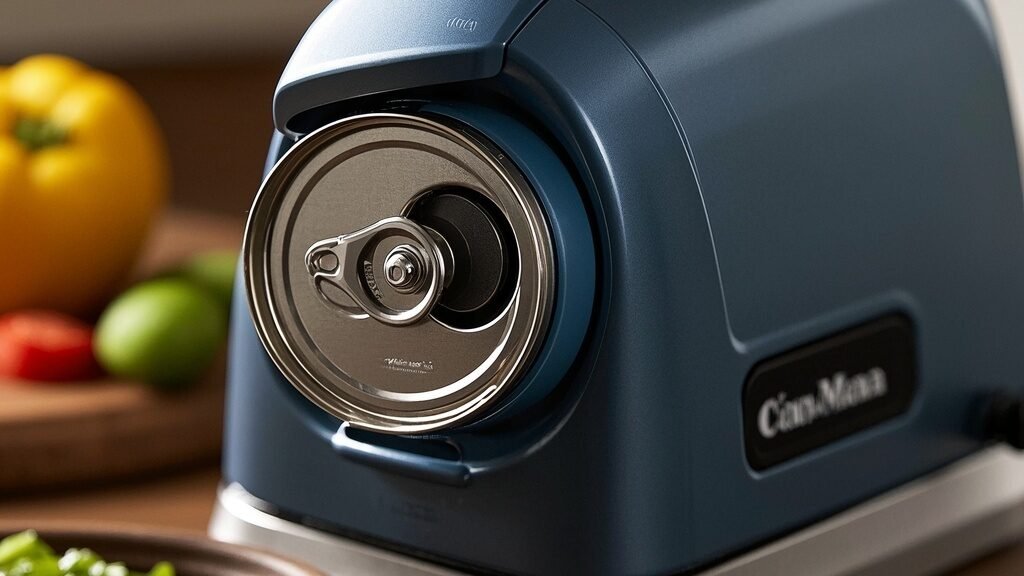
Traditional can openers require significant hand strength, precise grip, and a steady twisting motion—actions that can be challenging due to arthritis, reduced dexterity, or conditions like Parkinson’s. A true hands-free can opener fundamentally reimagines this process. Instead of you providing the force, the device does the work. You typically clamp it onto the can, press a button or lever, and it automatically magnetically grips and rotates the can, cutting the lid around the sides with almost no effort from you. This isn’t just a minor convenience; it’s a restoration of autonomy. It minimizes pain, eliminates the risk of cuts from jagged lids (as most leave a smooth edge), and reduces the fatigue associated with meal prep. For seniors and anyone with limited mobility, this design transforms a daunting task back into the simple, quick activity it should be.
Key Features to Look For: Beyond Just Being Hands-Free
Not all automatic openers are created equal. When searching for the best hands-free can opener for seniors, several features are critical for safety and satisfaction. First, ease of use and setup is paramount. Look for large, easy-to-press buttons or levers and intuitive clamping mechanisms. The opener should be lightweight yet stable. Second, consider safety and cleanup. Models that cut the lid from the side, leaving it attached but bent back, are popular as they create a smooth edge. Even better are openers that remove the lid completely and hold it magnetically, preventing any contact with sharp metal. Third, power source and stability matter. Electric plug-in models offer consistent power but need an outlet. Battery-operated ones offer portability but require battery changes. Ensure the base is non-slip so it doesn’t move during operation. Finally, ease of cleaning is crucial; look for designs with few crevices or components that are dishwasher-safe, according to the manufacturer.
Performance and Real-World Use: What Really Matters
In our testing and from widespread user reviews, the top-performing openers share common traits that make them stand out. They operate with a consistent, quiet hum—no loud grinding or struggling. They handle standard-sized cans effortlessly, though some may struggle with very small or unusually tall cans. The best ones have a strong magnetic lid lifter that reliably removes the lid every time. Stability is non-negotiable; a good model won’t “walk” across the counter. From a practical standpoint, the ideal opener isn’t just a single-use gadget. It becomes a trusted kitchen ally that encourages cooking at home, supports a nutritious diet (by making canned vegetables, beans, and fruits more accessible), and provides significant peace of mind for both the user and their family members who know a major kitchen hazard has been mitigated.
Finding the Right Balance: Pros, Cons, and Considerations
While highly beneficial, these tools have nuances. The primary advantage is obvious: they grant independence and enhance safety dramatically. They are also generally easy to operate with one hand or with very low force. However, potential drawbacks exist. Some models can be bulky, requiring storage space. Electric models need a power source, and all will eventually wear out or break, unlike a simple, timeless manual opener. There’s also a learning curve to positioning the can correctly. The key is to balance these factors. Read recent reviews to check for durability notes, ensure the design fits your kitchen space, and consider if features like an automatic stop or a built-in bottle opener add value for you.
Regaining independence in the kitchen is about smart tools that adapt to you, not the other way around. A reliable hands-free can opener is more than an appliance; it’s a small but powerful tool for maintaining confidence and self-sufficiency at home. It tackles a specific, frequent challenge with elegant efficiency, reducing physical strain and safety risks. By focusing on ease, stability, and safe lid disposal, you can turn a daily hurdle into a non-event.
Who Should Consider a Hands-Free Can Opener for Seniors?
This tool is ideal not only for seniors experiencing arthritis, hand weakness, or tremors but also for anyone with temporary injuries or permanent mobility limitations. It’s also a thoughtful gift for aging parents or relatives, offering them a tangible boost to their daily independence and safety in the kitchen.
Find the perfect can opener for your needs below
Related Guides:
- Best Rated Can Openers 2026 (All Categories)
- Best Can Opener for Seniors with Weak Grip (2026 Top Picks)
- Best Can Opener for Arthritis Patients (2026 Pain-Free Picks)
- Best Can Opener for Stroke Survivors (2026 Easy-Use Picks)
- Best Electric Can Opener (2026 Top-Rated Automatic Models)
- Best Hands-Free Can Opener (2026 No-Grip Effort Models)
- Best Manual Can Opener (2026 Ergonomic Low-Effort Models)
- Best Sharp-Edge-Free Can Opener (2026 Safe No-Cut Models)