What Is the Safest Can Opener for Elderly Hands?
Imagine standing in your kitchen, a simple can of soup on the counter. Your hands, once steady and strong, now feel the persistent ache of arthritis or the frustrating tremor that makes fine motor tasks a challenge. The familiar manual opener seems like a puzzle of levers and force you can no longer muster. This daily moment of independence suddenly feels out of reach. For millions of older adults, this isn’t just an inconvenience; it’s a barrier to nutrition, dignity, and self-sufficiency. The quest for the safest can opener for elderly hands isn’t about luxury—it’s about reclaiming ease and safety in a fundamental task. It moves beyond basic function to prioritize ergonomics, stability, and intuitive operation, turning a potential struggle back into a simple step in meal preparation.
Understanding the Key Safety and Accessibility Features
Not all can openers are created equal, especially when considering aging hands. Safety here is multifaceted. First, ergonomic design is non-negotiable. Look for large, soft-grip handles that require minimal squeezing force and distribute pressure across the palm, not just the fingers. This is crucial for those with arthritis or reduced grip strength. Second, stability and control are paramount. Many traditional openers require you to lift and maneuver the can, risking spills or slips. Safer models are often designed to grip the can firmly on the countertop, allowing the user to operate the mechanism with the can securely anchored. Third, consider the cutting mechanism itself. Modern safety openers often cut from the side, leaving a smooth, safe lid edge and eliminating the risk of sharp, detached lids—a common hazard with traditional models. These features work together to minimize physical strain and maximize user confidence.
Top Contender: The Automatic Electric Opener
For maximum ease of use, the automatic electric can opener is frequently the top recommendation. With typically just one large button, operation becomes as simple as placing the can and pressing down. The machine does all the work: magnetically gripping the can, rotating it, and cleanly cutting the lid, which is often held magnetically for safe disposal. This is a game-changer for individuals with very limited hand strength, severe tremors, or conditions like Parkinson’s. The primary advantage is the near-total elimination of physical effort and sharp edges. However, considerations include counter space, the need for a power outlet, and ensuring the model has a non-slip base. In our testing, models with a vertical “can-lift” design, where the opener lowers onto a stationary can, proved exceptionally stable and user-friendly for elderly users.
A Reliable Alternative: Smooth-Edge Manual Openers
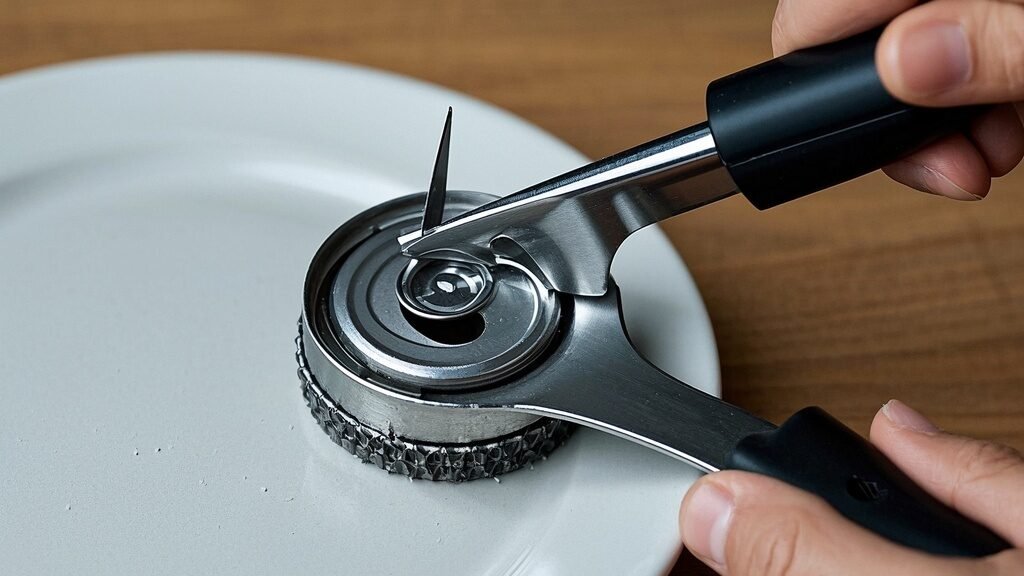
If you prefer a non-electric option or have limited counter space, the smooth-edge (or side-cutting) manual opener is an excellent and safer alternative to old-fashioned wheel-and-gear models. These openers work by clamping onto the side of the can and rolling around the rim, shearing off the lid from the side. The result is a perfectly smooth can rim and a lid that sits on top, with no sharp edges to handle. They generally require less downward force and wrist twisting than traditional openers. Look for models with extra-long, padded handles that provide significant leverage, making the turning action much easier. While they require more manual operation than an electric opener, they offer a superb balance of safety, simplicity, and physical accessibility, often at a lower cost and with no cords needed.
Prioritizing Ease and Confidence in the Kitchen
Ultimately, the safest tool is the one that the individual will use confidently and without fear of injury or frustration. It’s about reducing barriers. Beyond the opener itself, consider keeping it in an easily accessible spot, not buried in a drawer. For those with vision impairments, a model with high-contrast colors or a brightly colored handle can be helpful. Remember, the goal is to support independence. Trying out different styles, if possible, can be the best way to find the perfect fit, as comfort is highly personal. The right can opener for elderly hands transforms a daunting task back into a non-event, preserving energy and joy for the cooking and companionship that follows.
Who Should Consider a Safety-Focused Can Opener?
This isn’t just for the elderly. Anyone with arthritis, hand weakness, tremors, or even temporary injuries like carpal tunnel can benefit immensely from these thoughtfully designed tools. It’s also a thoughtful solution for caregivers seeking to make a loved one’s kitchen safer and more empowering. Investing in the right opener is a small step that makes a profound difference in daily life, turning a potential point of frustration into one of effortless accomplishment.
Find the perfect can opener for your needs below
Related Guides:
- Best Rated Can Openers 2026 (All Categories)
- Best Can Opener for Seniors with Weak Grip (2026 Top Picks)
- Best Can Opener for Arthritis Patients (2026 Pain-Free Picks)
- Best Can Opener for Stroke Survivors (2026 Easy-Use Picks)
- Best Electric Can Opener (2026 Top-Rated Automatic Models)
- Best Hands-Free Can Opener (2026 No-Grip Effort Models)
- Best Manual Can Opener (2026 Ergonomic Low-Effort Models)
- Best Sharp-Edge-Free Can Opener (2026 Safe No-Cut Models)