What Safety Can Opener Should You Buy for Elderly Parents?
Picture this: a simple Wednesday night, a desire for a comforting bowl of soup. But in the kitchen, frustration mounts. Arthritic fingers struggle to grip a slippery handle, a tremor makes aligning the cutting wheel a challenge, and a blunt opener requires dangerous force. This isn’t just an inconvenience; it’s a moment where independence meets a very real risk of cuts or strain. For many older adults, the humble can opener transforms from a basic tool into a significant barrier. The quest for the right safety can opener for elderly parents is, therefore, not about a minor kitchen upgrade—it’s about preserving dignity, ensuring safety, and offering genuine peace of mind to the whole family. It’s a small appliance that carries a heavy weight of care.
Key Safety Features to Prioritize
When evaluating options, move beyond brand names and focus on specific design elements that address common age-related challenges. Automatic operation is the top-tier feature for safety. These electric openers do all the work: they magnetically grab the lid, rotate the can, and release the lid, all with the push of a button. This eliminates the need for grip strength, hand-crank coordination, and any sharp-edge contact, making it the safest choice for those with severe arthritis, Parkinson’s, or limited dexterity.
For a more traditional but assisted approach, look for large, ergonomic handles. These should be contoured, soft-grip, and require minimal squeezing force. A stable, non-slip base is non-negotiable; it prevents the can from spinning and reduces the need for one hand to hold it steady. Finally, consider the cutting mechanism itself. Safer designs often leave a smooth edge on the can and a burr-free lid, drastically reducing the risk of nicks. The goal is to find a tool that minimizes physical demand and maximizes user control at every step.
Balancing Ease of Use with Practicality
The safest opener is useless if it’s too confusing or cumbersome to use regularly. This is where practicality becomes a safety feature in itself. Simplicity is key. Interfaces should have one or two intuitive buttons, not a confusing array of dials. Consider maintenance: does the cutting assembly detach easily for cleaning? A built-up food residue is unhygienic and can hinder performance. Also, assess the size and storage. Will it fit comfortably on their counter or in their drawer?
Power source is another practical consideration. While most automatic openers are corded, some offer battery-operated or rechargeable options, providing flexibility if outlet access is limited. Noise level, often overlooked, can be a factor; a very loud, jarring motor might startle some users. Test or read reviews for real-world feedback on these aspects. Ultimately, the best choice seamlessly integrates into their existing kitchen routines without creating new frustrations.
Top Contender: A Look at the Leading Style
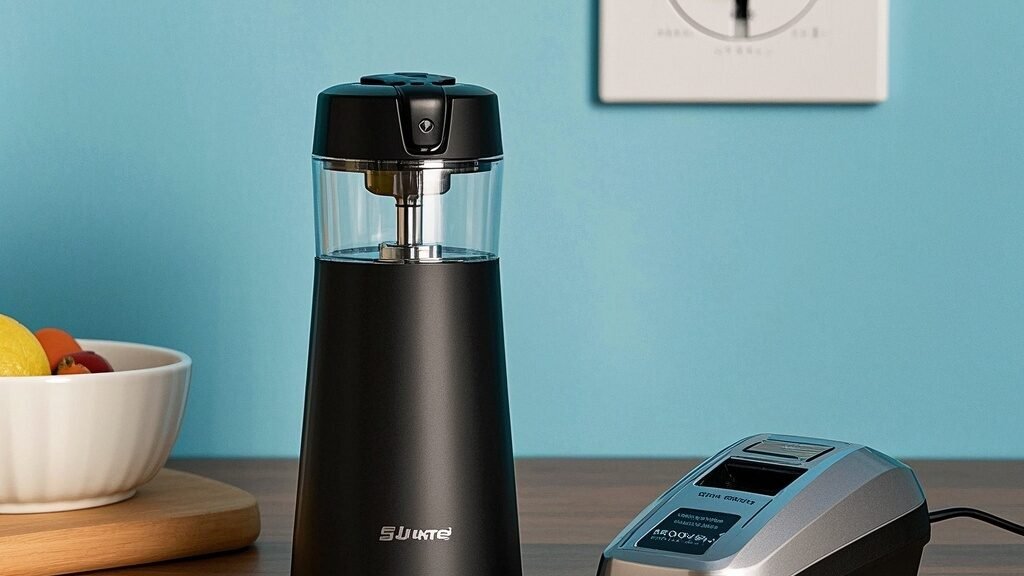
In our assessment, one style consistently stands out for the optimal blend of safety and ease: the fully automatic, hands-free electric can opener. A model like the Hamilton Beach Smooth Touch Edge exemplifies this category. According to the manufacturer and numerous user reviews, its primary safety advantage is the complete separation of the user from the cutting process. You place the can under the head, press the lever, and it opens smoothly, leaving both the can and lid with smooth edges. The magnetic lid holder is a brilliant feature, lifting the lid away without requiring fingers to pry it out.
However, no product is perfect. The main trade-off is that it requires counter space and an electrical outlet. Some users note that very tall or oddly shaped cans might not fit, and it does need occasional cleaning of the cutting assembly. But for sheer reduction of physical risk and operational simplicity, this style is often the most reliable recommendation for seniors prioritizing safety above all else.
Making the Choice That Fits Their World
Choosing the right tool is a personal decision that extends beyond a checklist. Observe your parent’s specific challenges. Is hand strength the main issue, or is it coordination? Do they prefer to keep counters clear? Would a simple, large-handled manual opener with excellent leverage be sufficient and more to their liking? Sometimes, the best solution is to involve them in the choice, if possible. Let them handle a few options (unplugged or without cans) to see what feels most comfortable and intuitive to them.
Remember, this purchase is an act of support. It says, “I care about your independence and your well-being in the small, everyday tasks.” By prioritizing safety features that match their specific needs and practical considerations that suit their lifestyle, you can help turn a daily struggle into a simple, secure task.
Who Should Consider a Fully Automatic Safety Can Opener?
This solution is ideal for elderly parents or individuals with significant hand weakness, arthritis, tremors, or vision impairments that make traditional can openers difficult or hazardous to use. It’s the best choice for families seeking maximum safety and minimal physical demand. For those with milder dexterity issues who prefer a manual tool, a high-leverage, ergonomic manual opener with a smooth-edge cutting mechanism is a excellent alternative. Find the perfect can opener for your needs below, and give the gift of safe, independent living.
Related Guides:
- Best Rated Can Openers 2026 (All Categories)
- Best Can Opener for Seniors with Weak Grip (2026 Top Picks)
- Best Can Opener for Arthritis Patients (2026 Pain-Free Picks)
- Best Can Opener for Stroke Survivors (2026 Easy-Use Picks)
- Best Electric Can Opener (2026 Top-Rated Automatic Models)
- Best Hands-Free Can Opener (2026 No-Grip Effort Models)
- Best Manual Can Opener (2026 Ergonomic Low-Effort Models)
- Best Sharp-Edge-Free Can Opener (2026 Safe No-Cut Models)