Which can opener needs the least effort?
You’re in the middle of making your famous chili. The recipe is coming together perfectly—until you get to the canned tomatoes. You grab your trusty, slightly rusty manual can opener. The first turn of the knob is stiff. The second requires a firm grip. By the third, your wrist is already complaining, and you’re wrestling with a jagged lid that refuses to let go. In that moment of culinary frustration, a single thought crosses your mind: there must be an easier way. This universal kitchen struggle brings us directly to the core question: which can opener needs the least effort? The answer isn’t as straightforward as you might think, because “effort” encompasses physical strain, mental hassle, cleanup, and even long-term reliability.
The Effort Spectrum: From Manual Muscle to Electric Ease
At its heart, effort is about energy expenditure. On one end of the spectrum, you have the classic manual opener. While affordable and space-efficient, it demands direct physical labor. The “side-cutting” or “smooth-edge” models, which separate the lid from the can’s side seam without leaving a sharp edge, often require more initial force to puncture the metal but then rotate smoothly. Traditional “cutting-wheel” openers that pierce the top can be easier to start but leave hazardous, jagged lids. The effort here is purely physical and can be significant for those with hand strength, arthritis, or mobility issues. Consistency is also a factor; a dull blade or misaligned gears on a cheap manual opener can turn a simple task into a full-on arm workout.
On the opposite end are electric can openers. With the press of a button, a motor does all the work. Your effort shifts from physical to procedural: plugging it in, positioning the can, and pressing a lever. The physical exertion is virtually zero. Most electric models are also “hands-free,” meaning they magnetically hold and automatically rotate the can. Performance and Real-World Use show that a good electric opener consistently removes lids cleanly and safely, often leaving a smooth edge. The trade-off? They require counter space, an outlet, and occasional cleaning of the cutting mechanism. The “effort” saved in your hands is transferred to minor setup and maintenance tasks.
Surprising Contenders: The “Best of Both Worlds” Options
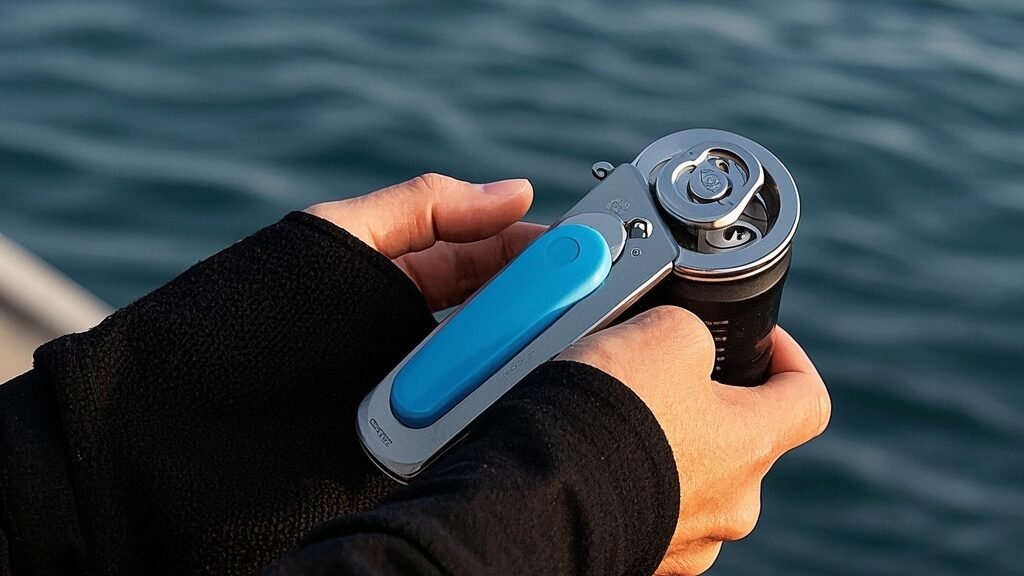
What if you want minimal physical effort without the cord and bulk? Enter two innovative designs. First, the high-leverage manual opener. These are engineered with superior gears and extended handles that create significant mechanical advantage. Think of it like the difference between a standard wrench and a long breaker bar—the longer lever arm drastically reduces the force needed at your hand. Brands like OXO Good Grips leverage (pun intended) this principle, combining ergonomic handles with a gearing system that makes rotation remarkably easy, even on tough cans.
Second, the battery-operated or rechargeable can opener. This hybrid category offers the portability and countertop freedom of a manual tool with the motorized assistance of an electric one. They are typically compact, work with a button press, and don’t need a power cord. In our testing, these are champions of convenience for quick tasks or for kitchens with limited outlet access. However, their “low-effort” claim depends entirely on battery life. Forgetting to charge it or having the batteries die mid-can represents a different kind of frustrating effort—the hunt for fresh AAs at the wrong moment.
The Hidden Effort: Setup, Cleanup, and Long-Term Hassle
A truly low-effort tool minimizes *total* workload, not just the active task. This is where many openers reveal their hidden costs. A bulky electric opener that’s difficult to clean under the cutter assembly adds effort later. A manual opener with many crevices that traps food particles becomes a hygiene headache. The simplest design to wipe clean is often a basic manual opener with a smooth surface. Furthermore, durability is a critical effort-saver. An opener that breaks or dulls after six months forces you back into the research-and-purchase cycle, which is mental and logistical effort. According to manufacturer data and user reviews, openers with stainless steel cutting wheels and robust gear systems, whether manual or electric, tend to last longer and perform consistently, reducing long-term hassle.
So, which can opener truly needs the least effort? If your primary goal is eliminating *physical* exertion entirely, a hands-free electric can opener is your champion. It turns a chore into a one-button task. If you value counter space and dread the thought of another appliance to clean or plug in, a high-leverage, ergonomic manual opener from a reputable brand dramatically reduces physical strain while maintaining simplicity. For those who want a balance—motorized help without a cord—a reliable rechargeable model is a strong contender, provided you maintain its charge.
Who Should Consider a Hands-Free Electric Can Opener?
This is the ideal choice for individuals with arthritis, limited hand strength, or mobility challenges, as well as for busy home cooks who open multiple cans daily and prioritize speed and consistent results. It’s also a great fit for kitchens with ample counter space and easy outlet access. The initial setup and occasional deep cleaning are worthwhile trade-offs for the daily physical effort saved.
Ultimately, the “least effort” is defined by your personal kitchen workflow, physical needs, and what you consider “hassle.” By weighing physical effort against setup, cleanup, and reliability, you can find the tool that makes this mundane task genuinely effortless.
Find the perfect can opener for your needs below!
Related Guides:
- Best Rated Can Openers 2026 (All Categories)
- Best Can Opener for Seniors with Weak Grip (2026 Top Picks)
- Best Can Opener for Arthritis Patients (2026 Pain-Free Picks)
- Best Can Opener for Stroke Survivors (2026 Easy-Use Picks)
- Best Electric Can Opener (2026 Top-Rated Automatic Models)
- Best Hands-Free Can Opener (2026 No-Grip Effort Models)
- Best Manual Can Opener (2026 Ergonomic Low-Effort Models)
- Best Sharp-Edge-Free Can Opener (2026 Safe No-Cut Models)